OotuFund is pre-implementation. These are the documented results from rigorously evaluated unconditional cash transfer programmes around the world — the evidence our model is built on.
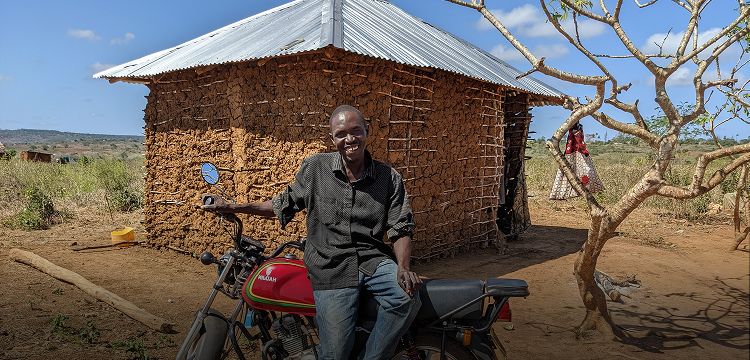
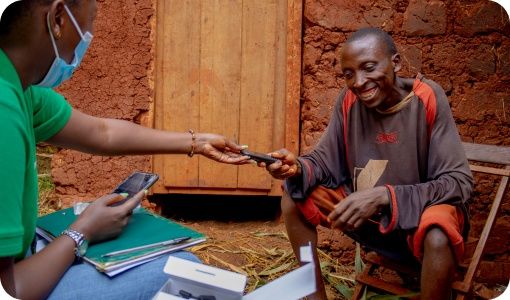
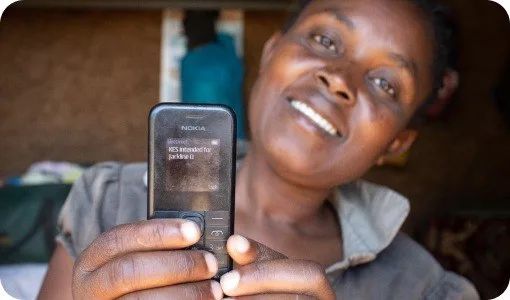
The most-cited randomised controlled trial of unconditional cash transfers followed 1,500 households in Siaya County, Kenya. GiveDirectly transferred approximately $1,000 per household over time — delivered directly via mobile money, no strings attached.
The peer-reviewed evaluation by Haushofer & Shapiro, published in the American Economic Review in 2016, found significant and sustained improvements across multiple wellbeing dimensions. Critically, it found no evidence of increased spending on alcohol or tobacco — the most common objection to unconditional approaches.
Across geography, scale, and delivery mechanism — when communities receive unconditional cash, they invest it wisely.
Child Welfare
The Government of Kenya's Cash Transfer for Orphans and Vulnerable Children delivers regular transfers to households caring for orphans. An independent evaluation found dramatic improvements in child outcomes across 350,000+ recipient households.
Source: Oxford Policy Management / UNICEF Evaluation, 2012. Government of Kenya programme, ongoing.
National Scale
Brazil's flagship conditional cash transfer programme reached 14 million+ families at its peak, providing ~R$600/month per household. Independent research attributed 21 percentage points of poverty reduction to the programme. Contrary to common assumptions, no reduction in adult labour supply was found.
Source: Soares et al., International Policy Centre for Inclusive Growth, 2010. Federal Government of Brazil, 2003–ongoing.
Tech-Enabled
In response to COVID-19, Togo's government launched Novissi, an AI-targeted mobile money transfer programme reaching 500,000+ people. Evaluators found AI-based poverty identification was 4–11× more accurate than traditional community-based targeting, setting a new benchmark for technology-enabled UCT delivery in Africa.
Source: Aiken et al., Science, 2022. Government of Togo, 2020.
Basic Income
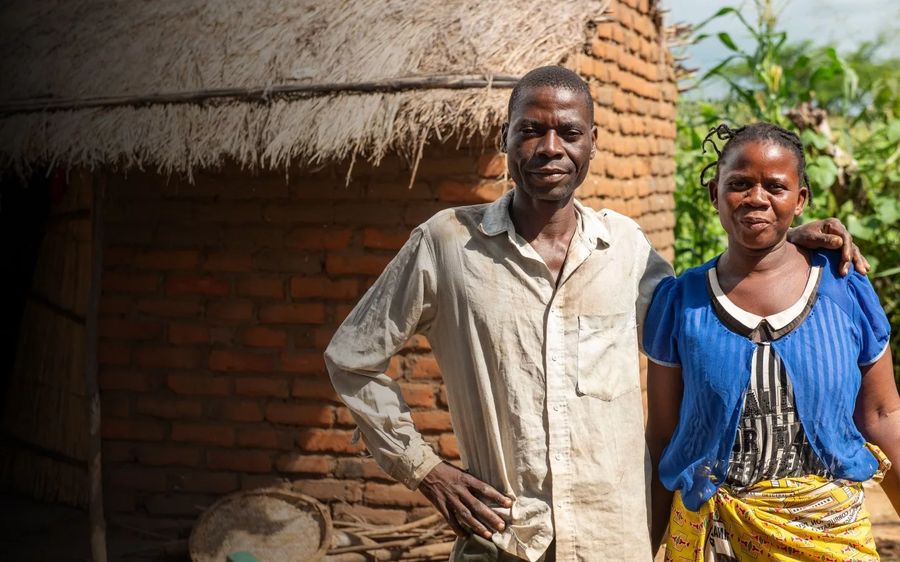
In Otjivero-Omitara, 930 community members received N$100/month (~$12) for 13 months. The results were striking: child malnutrition fell from 42% to 10%, school enrollment rose from 64% to 90%, and reported crime fell by 42%. Local economic activity grew as cash circulated within the community.
Source: Namibia BIG Coalition Evaluation Report, 2009. Pilot funded by Lutheran churches and civil society.
Guaranteed Income
125 Stockton, California residents received $500/month for 24 months. A rigorous evaluation found full-time employment among recipients rose from 28% to 40% — higher than the control group — refuting the "dependency" narrative. Mental health, food security, and family stability all improved significantly.
Source: Murphy et al., University of Tennessee, 2022. Funded by private philanthropy, 2019–2021.
Climate Resilience
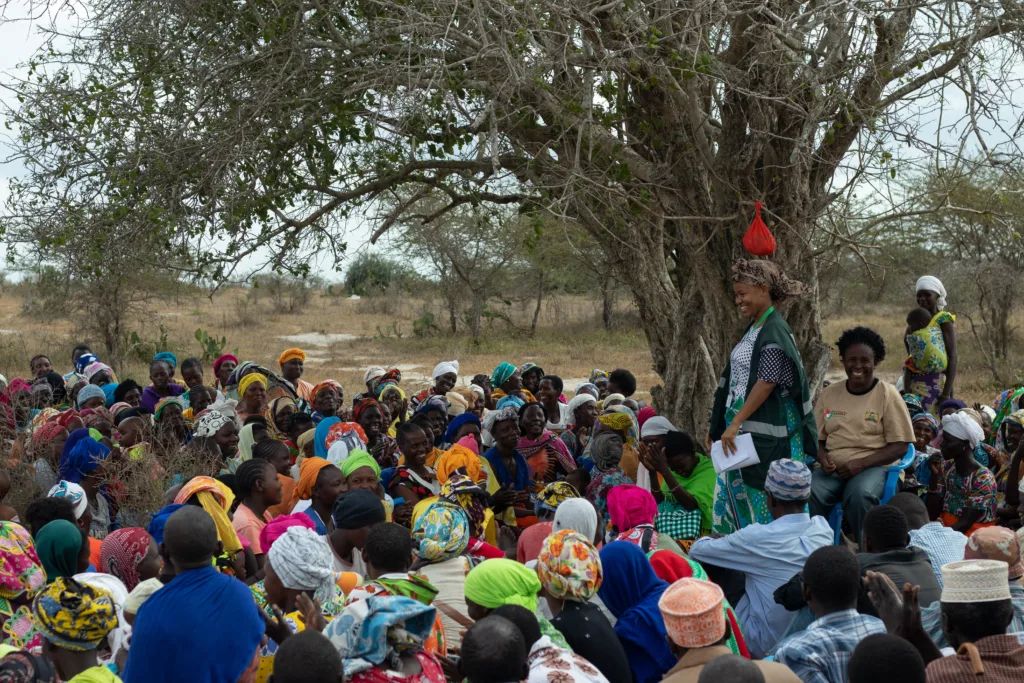
The HSNP delivers ~$26/month to chronically food-insecure households in four arid counties of northern Kenya (Turkana, Marsabit, Mandera, Wajir). An Oxford Policy Management evaluation found a 29% reduction in hunger and significant reductions in negative coping strategies such as asset sales and child labour during drought periods.
Source: Oxford Policy Management HSNP Evaluation, 2016. Government of Kenya / DFID programme, ongoing.
Meta-analyses from 200+ studies show unconditional transfers consistently outperform conditional programmes on nearly every outcome metric — from food security to school attendance. The evidence on removing conditions is now overwhelming.
Read More →With mobile money penetration exceeding 70% in East Africa, the delivery infrastructure for UCT programmes already exists at scale. Kenya's M-Pesa ecosystem makes near-instant, low-cost, auditable cash delivery possible without a bank account.
Read More →The communities most affected by climate change receive the least climate finance. UCT programmes in arid regions have demonstrated measurable resilience benefits — yet climate funds rarely flow directly to households. That must change.
Read More →We are designing our Phase 1 pilot in Laikipia to contribute to — and be held accountable to — this same body of rigorous evidence. Partner with us to make it happen.
Partner With Us