"The evidence is clear. The question now is delivery at scale."
OotuFund is designing for Laikipia County, Kenya — with rigour, transparency, and community consent at every step.
OotuFund is pre-implementation. This page presents the rigorous global research our model is built on, our transparent fund allocation model, and our Phase 1 pilot targets for Laikipia County.
Key findings from peer-reviewed evaluations of cash transfer programmes worldwide.
Among UCT recipient households in Kenya RCT, vs control group.
Haushofer & Shapiro, American Economic Review, 2016 — GiveDirectly Kenya
Returned to local economy per dollar transferred in rural Kenya UCT programme.
Egger et al., Quarterly Journal of Economics, 2022
In Kenya CT-OVC programme households, with corresponding increase in school attendance.
Oxford Policy Management / UNICEF, Kenya CT-OVC Evaluation, 2012
Meta-analyses consistently find positive effects on consumption, health, and education outcomes.
J-PAL & IPA Policy Insight Reviews, 2022; World Bank Evidence Review, 2021
We publish our intended fund allocation model openly. The majority of every dollar raised goes directly to community members as cash — not administration or overhead. This model is subject to review as we approach implementation.
This is a planned allocation model, not an accounting of funds already spent. We will publish audited accounts once the pilot launches.
"The evidence is clear. The question now is delivery at scale."
OotuFund is designing for Laikipia County, Kenya — with rigour, transparency, and community consent at every step.
Independent evaluations from four programmes that inform OotuFund's design approach.
UCT · Kenya
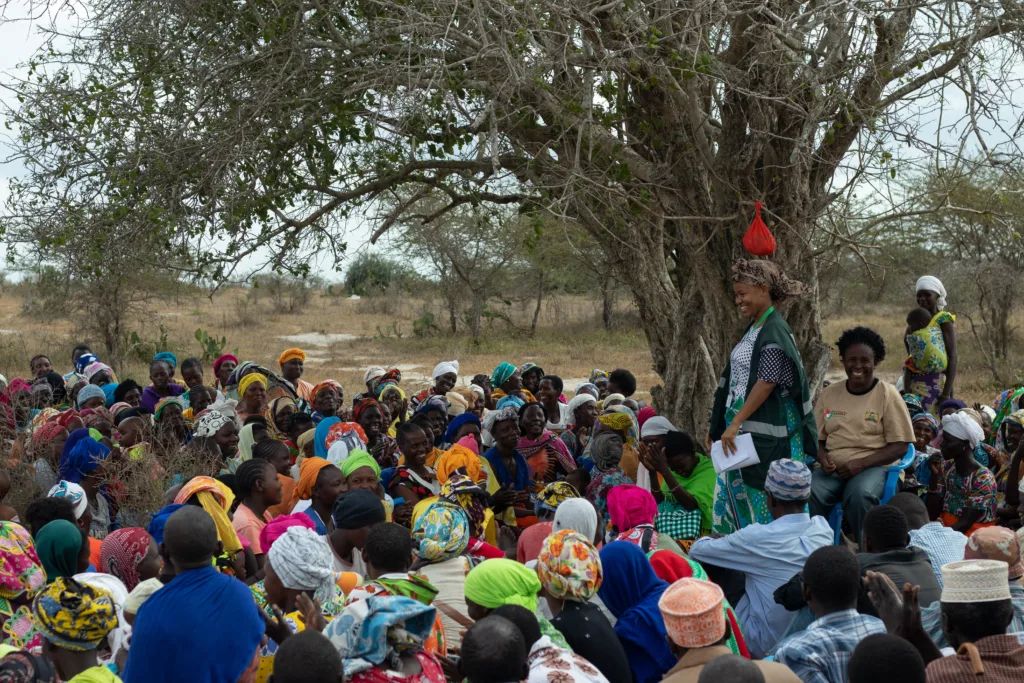
A landmark RCT transferred ~$1,000 per household to 1,500 families in one of Kenya's poorest regions. At follow-up, recipients showed a 38% increase in food security, 31% rise in assets, and 58% improvement in psychological wellbeing. Consumption effects persisted 3 years after transfers ended, and local multiplier effects were documented at $2.60 per dollar transferred (Egger et al., QJE 2022).
"Cash transfers increased assets, reduced hunger, and improved psychological wellbeing — with no evidence of increased spending on alcohol or tobacco."— Haushofer & Shapiro, American Economic Review, 2016
 Government Programme · Kenya
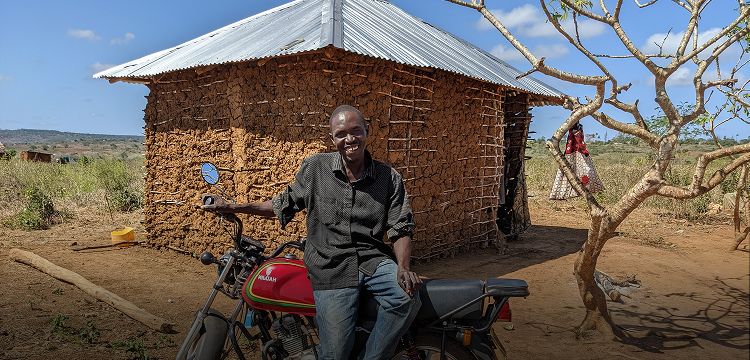
The Government of Kenya's Cash Transfer for Orphans and Vulnerable Children now reaches over 350,000 households nationally. Independent evaluation found a 42% reduction in child labour, a 51% increase in school attendance, and a doubling of household savings among recipients. The programme demonstrates government-scale UCT delivery is achievable with strong mobile money infrastructure.
"The CT-OVC programme produced substantial improvements in child welfare outcomes — including reductions in child labour and significant gains in school attendance."— Oxford Policy Management / UNICEF Evaluation, 2012
 AI-Targeted · West Africa
In response to COVID-19, Togo's government partnered with GiveDirectly to deliver mobile money transfers to 500,000+ people. The programme used satellite imagery and machine learning to identify the poorest households. Evaluators found AI-based targeting was 4–11× more accurate at reaching the poorest than traditional community-based methods — with significant implications for how OotuFund designs its Kundi targeting system.
"Algorithmic targeting using mobile and satellite data substantially outperformed community-based targeting in reaching the most vulnerable households."— Aiken et al., Science, 2022
 Basic Income · Southern Africa
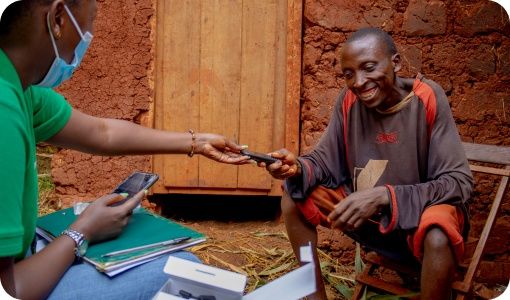
In Otjivero-Omitara, all 930 community members received N$100/month for 13 months — unconditionally. Child malnutrition fell from 42% to 10%. School enrollment rose from 64% to 90%. Reported crime fell by 42%. Critically, local economic activity increased as cash circulated within the community rather than flowing out — demonstrating multiplier effects even at small-community scale.
"The BIG pilot produced rapid, measurable improvements in nutrition, education, and safety — while stimulating local economic activity through increased purchasing power."— Namibia BIG Coalition Evaluation Report, 2009
These are OotuFund's aspirational targets for our first pilot — subject to securing seed funding. They are not current achievements.
We are seeking seed and institutional grant funding to launch a rigorously evaluated Phase 1 pilot in Laikipia County. Every funder and research partner helps make this evidence base larger and more robust.